
Permits and feasibility
Utah Building Codes for Home Additions
Additions in Utah are built to a statewide construction code, adjusted by state and local amendments and local design values. Here is how the pieces fit, and the code topics that shape most additions.
How Utah adopts building codes
Utah's State Construction and Fire Codes Act, Title 15A of the Utah Code, sets the construction standards used across the state. Section 15A-2-103 names the specific model code editions adopted. Those codes apply together with statewide amendments in Chapter 3 and local amendments incorporated in Chapter 4 of the same title.
Which editions apply
Under the version of section 15A-2-103 effective July 1, 2026, the adopted codes include:
- 2021 International Residential Code, the main code for one- and two-family houses and their additions
- 2023 National Electrical Code
- 2024 International Building Code, 2024 International Energy Conservation Code and 2024 International Existing Building Code, among others
Cities apply these with their local criteria. Bountiful's published criteria for single-family construction, for example, list the 2021 IRC with Appendices AE and AQ and 2015 IRC Chapter 11 for energy, as adopted by the state.
Local design values
Some code requirements depend on local conditions, which cities publish:
| Value | What it affects | Bountiful example |
|---|---|---|
| Frost depth | Footing depth | 30 inches |
| Snow load | Roof framing | Site-specific, per the USU Utah snow load resource |
| Wind speed | Roof and wall connections | 140 mph, Exposure B |
| Seismic design category | Bracing, shear walls, hold-downs | D2 |
Code topics that come up most on additions
- StructureFootings below frost depth, framing, beams, and bracing for wind and earthquakes. See engineering.
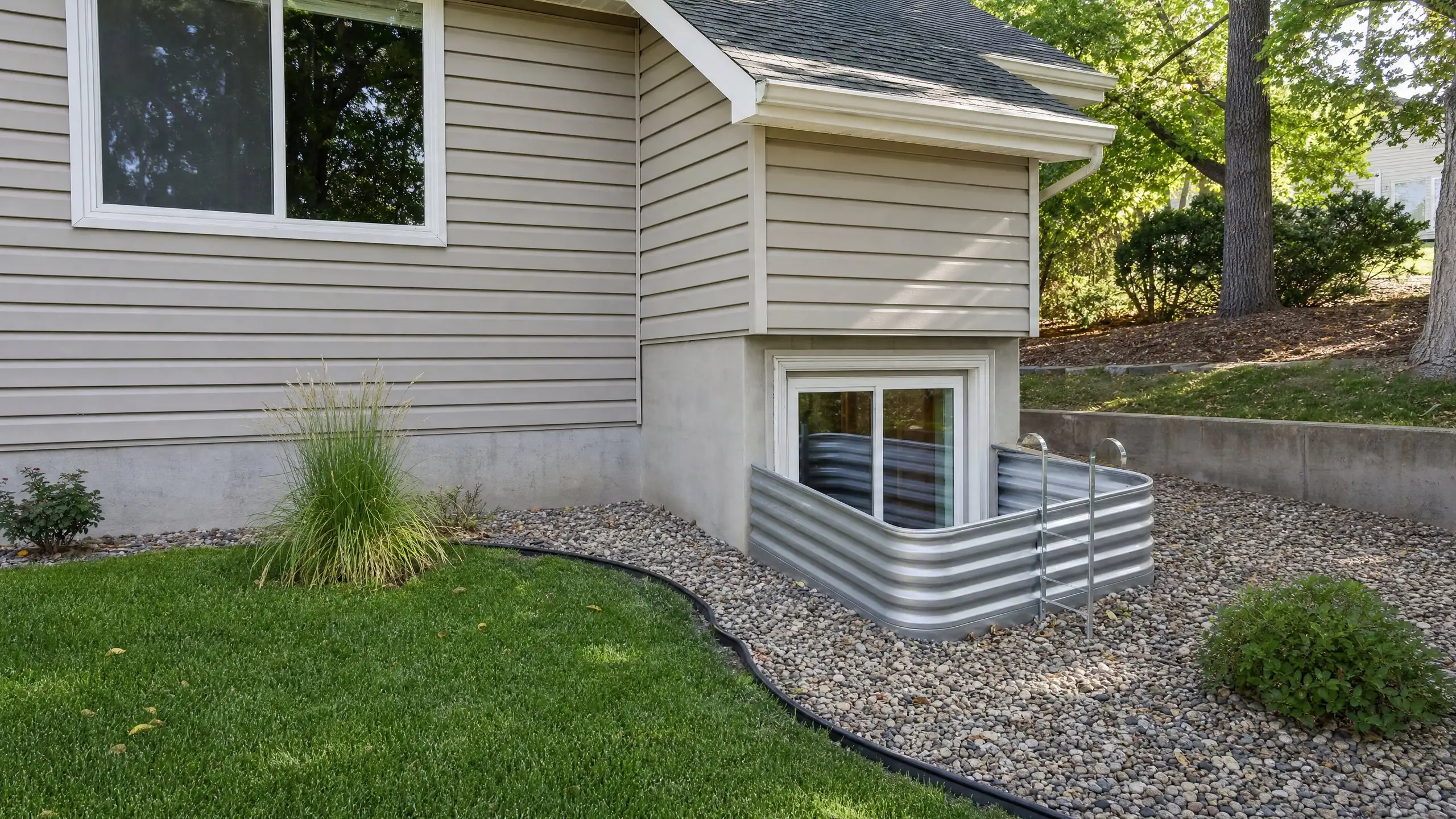
- Bedroom egressEmergency escape and rescue openings in sleeping rooms.
- Smoke and CO alarmsRequired in and near sleeping areas, and sometimes updated in the existing house.
- Stairs and guardsRise, run, headroom, handrails and guards for second stories and raised floors.
- Garage separationFire-resistant construction between garages and living space.
- EnergyInsulation, windows and air sealing for new conditioned space.
- Room sizes and ceilingsMinimum dimensions and ceiling heights for habitable rooms.
- VentilationBathroom and kitchen exhaust, attic and crawlspace ventilation.
- ElectricalCircuits, outlet placement and protection devices under the electrical code.
Wildfire and hillside rules
Some cities apply additional codes in specific areas. Bountiful has adopted a Local Wildland Urban Interface Area where new construction, major remodels and re-roofing follow the International Wildland-Urban Interface Code, which adds fire-resistant construction requirements. Foothill zoning can add grading and retaining wall rules. See Bountiful addition permits.
How the code is enforced
Plan review checks the drawings against the code before a permit is issued. Inspections check the work in the field at set stages. Work that fails is corrected before construction continues. See home addition permits in Utah for the process.
Why this matters when planning
Code requirements shape design decisions: where a bedroom window goes, how wide a stair is, what a garage ceiling is made of, how deep footings are, and which walls need bracing. Planning for them from the start avoids redesign during plan review and changes during construction.
Code questions
Does my existing house have to be brought up to current code?
Generally, the new work must meet current code, and existing parts of the house can usually stay as they are unless the addition affects them or creates an unsafe condition. Some changes trigger updates, such as smoke and carbon monoxide alarms. The building department decides how it applies to your project.
Can cities have different code rules?
Utah adopts a statewide construction code, with statewide amendments and certain local amendments incorporated into state law. Cities also publish local design values such as frost depth and snow load and have their own zoning. So the core code is shared, but local details differ.
Where can I read the code?
Utah's statutes, including the adopted editions and amendments, are published on the Utah Legislature website. The International Code Council publishes the model codes, and many are viewable online. Your building department can point you to the provisions relevant to your project.
Build it to code, the first time
Tell us about the house and what you want to add.