
Design and construction
Living at Home During a Home Addition
Most families stay home while an addition is built. It is manageable with good planning, and it helps to know which weeks will be easy, which will be hard, and why.
Can you stay home?
For most additions that build out from the house, yes. Much of the work happens outside the existing walls, and the house is only opened near the end. Second-story additions are different: the roof is opened over the house and ceilings below are affected, so some families plan to be away for part of the work. Additions that rework the kitchen or the only bathroom also need extra planning.
What changes day to day
- NoiseExcavation, framing and demolition are loud. Work hours are set in advance.
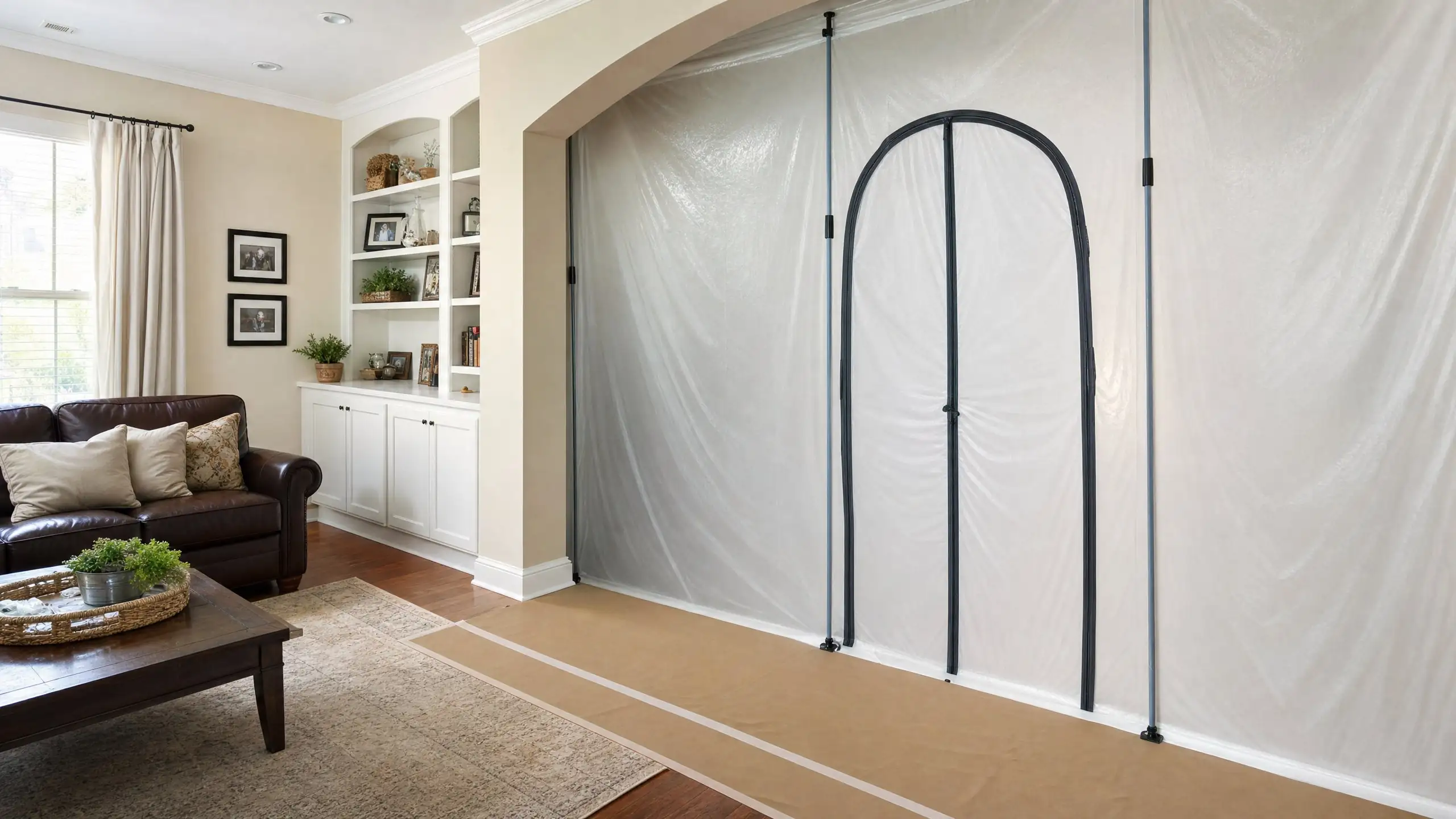
- DustMostly outside until the opening into the house. Barriers and floor protection limit it inside.
- AccessPart of the yard, driveway or a door may be off limits.
- PeopleCrews, trades and inspectors come and go during the day.
- UtilitiesShort, scheduled shutoffs for electrical and plumbing connections.
The easier and harder stretches
Easier: foundation, framing, roofing and exterior work, when the existing exterior wall still separates the house from the site. Noise is the main effect.
Harder: when the existing wall is opened, when work affects the kitchen or bathroom you use, and for second stories when the roof is open. Dust control and scheduling matter most here, and it is when families sometimes choose a few days away.
The construction process guide shows where these stages fall.
If the kitchen is affected
For a kitchen addition or a project that opens into the kitchen, set up a temporary kitchen before that stage. A refrigerator, microwave, electric kettle, a small counter and a utility or laundry sink go a long way. Plan simple meals, paper plates and some takeout. The more selections are made before construction, the shorter this stretch is.
If the bathroom is affected
If the house has only one bathroom and the work touches it, the sequence matters. Often the new bathroom can be finished before the old one is disrupted. When that is not possible, a short stay elsewhere, access to a relative's home, or a rental for the few days without a working bathroom are common solutions.
Kids, pets and safety
- Agree on the boundaries of the work area and keep children out
- Keep pets away from open doors, gates and crews
- Check for nails and debris in any yard area the family still uses
- Know where the barrier doors and temporary walls are
- Keep smoke and carbon monoxide alarms working throughout
Protecting the rest of the house
Dust barriers with zipper doors, floor protection along work paths, sealing HVAC returns near the work, and covering belongings in adjacent rooms limit dust. Moving valuables and fragile items away from shared walls helps too, since framing and demolition can shake pictures and shelves.
Communication
Living through a project is easier when you know what is coming. A short weekly update on the next stages, noisy days, shutoffs and decisions needed lets you plan. It also gives you a clear person to raise concerns with. See our process.
When to plan time away
Consider staying elsewhere during part of a project if the roof will be open over living areas, the only bathroom or the kitchen will be out of service for more than a few days, someone in the household is sensitive to dust or noise, or someone works night shifts and sleeps during the day. Planning that time into the schedule and the budget is better than deciding in the middle of it. Our timeline guide helps estimate when.
Questions about living through the build
Will we lose power or water during the project?
Briefly, at a few points. Tying new circuits into the panel, connecting plumbing, or upgrading electrical service can require short shutoffs. These are scheduled ahead so you can plan around them, and they are usually a matter of hours rather than days.
Is it safe for kids to be home during construction?
Yes, with clear boundaries. The work area is fenced or closed off, tools and materials are secured at the end of each day, and children and pets stay out of the site entirely. Talking with kids about the rules before work starts helps.
What about working from home during construction?
It is possible for most of the project, but noise is real during demolition, framing and the opening into the house. Knowing the schedule lets you plan calls, work from another room on the far side of the house, or work elsewhere on the loudest days.
Plan the project around your household
Tell us who lives in the house and what you want to add.